
Loft Conversion London: The 2026 Homeowner’s Guide (Cost, Permission & Design)

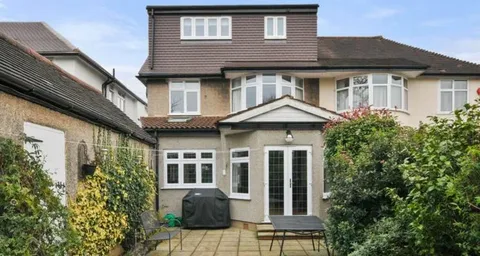
A loft conversion in London typically costs £50,000 to £90,000 and takes 6 to 10 weeks to build, and most projects fall under permitted development so a full planning application isn’t always needed. Getting these numbers and rules right for your specific roof type is where working with the right architects London makes the real difference.
London’s housing stock is dominated by Victorian and Edwardian terraces, properties rarely built with generous headroom but almost always steep enough in pitch to work with. Converting the loft adds a bedroom, home office, or en-suite without the cost of moving house.
It’s also one of the few extension types that doesn’t eat into your garden. If you’ve already extended out the back, going up is usually the only space left to gain. Many homeowners find it also adds real resale value, often 15-20%, since an extra bedroom or bathroom is one of the most searched-for features by London buyers.
How Much Does a Loft Conversion Cost?
Costs depend on conversion type and finish quality:
- Rooflight/Velux: no structural roof change, the most affordable option, suited to lofts with enough existing headroom.
- Dormer: the most common choice for London terraces, adds both headroom and floor space.
- Hip-to-gable: suited to detached and semi-detached homes with a hipped roof.
- Mansard: the most involved option, common in period properties in central boroughs where it blends into the streetscape.
Expect £50,000 to £90,000, or roughly £1,500 to £2,500 per square metre. Inner boroughs and conservation areas sit at the higher end due to extra design and planning input. Staircase repositioning and adding an en-suite also push the figure up.
Run your own property details through a cost calculator before budgeting, since roof type, bedroom count, and finish level all move the number significantly. A rough figure from a generic guide rarely matches what your specific roof shape will actually cost.
Do You Need Planning Permission?
Most loft conversions fall under permitted development rights, meaning no full application is needed if you stay within:
- 40 cubic metres of added roof space for terraced houses
- 50 cubic metres for detached and semi-detached houses
- No alterations to the roofline facing the highway
- Materials matching the existing house in appearance
Go beyond these limits, add a mansard roof, or sit in a conservation area or listed building, and you’ll almost certainly need a full planning application. Every borough interprets this slightly differently. Kingston, Richmond, and parts of Wandsworth take a more conservative approach to roof alterations, while other boroughs move faster when a design fits local character guidance.
Building Regulations approval is always required, covering structural safety, fire escapes, insulation, and staircase design. This applies even under permitted development, so it’s not something to skip regardless of the planning route.
How Long Does It Take?
Construction runs 6 to 10 weeks once drawings are approved and Building Regulations are signed off. Rooflight conversions sit at the shorter end, while mansard and hip-to-gable projects take longer due to the extra structural work involved.
Add several more weeks for design, planning, and drawings beforehand. In practice, it’s sensible to start the process 4-6 months before you’d like builders on site, especially if a full planning application is likely.
Which Conversion Suits Your Roof?
Not every conversion type suits every property:
- Victorian/Edwardian terrace: Dormer or L-shaped dormer, especially if there’s an existing rear extension to tie into.
- Semi-detached with a hipped roof: Hip-to-gable, often combined with a rear dormer for maximum space.
- Conservation area property: Mansard, subject to approval, since it reads as a flat-roofed addition from the street.
- Bungalow: Often the best value conversion of all, effectively doubling usable floor space.
A roof pitch of at least 30 degrees is generally needed for workable head height once floor and ceiling build-ups are accounted for.
Common Mistakes to Avoid
- Underestimating structural work.Older roof timbers often need reinforcement before they can take a new floor load, and this should be assessed early, not discovered mid-build.
- Ignoring staircase placement.Where it lands upstairs shapes your entire layout, so resolve it before drawings go to planning.
- Assuming permitted development applies.Article 4 directions in some conservation areas remove these rights entirely, even for a modest dormer.
- Forgetting Building Regulations costs, like fire-rated doors and escape windows, which sit outside the headline construction figure.
Why Work With a RIBA Chartered Practice
Loft conversions sit at the intersection of design, structural safety, and planning law, which is why the qualifications behind your drawings matter. Extension Architecture is a RIBA Chartered Practice, registered with the Architects Registration Board (ARB), and led by founder and Managing Director Eugene Kim, who has run the practice for over 14 years.
The team includes RIBA Chartered architects and ICE Chartered structural engineers, working through every RIBA Plan of Work stage from initial feasibility through to handover. That means structural checks, planning strategy, and Building Regulations compliance are handled by people qualified to sign off on all three.
Frequently Asked Questions
Do I need an architect for a loft conversion? It’s not a legal requirement for permitted development, but an architect ensures the structural assessment, layout, and Building Regulations package are done correctly the first time, which avoids costly redesigns mid-project.
Will a loft conversion affect my neighbours? Under permitted development, roofline changes facing the highway aren’t allowed, and Party Wall Act notices are usually needed where work sits close to a shared wall with a neighbouring property.
Can I convert a loft with a low roof pitch? It’s possible but harder. Below a 30-degree pitch, a dormer is usually needed to create workable head height, since a simple rooflight conversion may not leave enough usable space.
Getting Started
A loft conversion is a genuinely worthwhile investment for most London homes, but the outcome depends on getting the structural assessment, planning route, and design right from the start. This matters even more given how much variation exists from one borough to the next.
If you’re weighing up whether your loft is suitable, a feasibility study is the sensible first step before committing to detailed drawings.
Thinking about converting your loft? Speak to our architects near me to see how we can help.