Fiona Bruce: The Remarkable Rise of a Trusted Broadcaster
A respected television journalist whose calm authority, sharp interviewing style, and long BBC career have shaped modern British broadcasting

Introduction
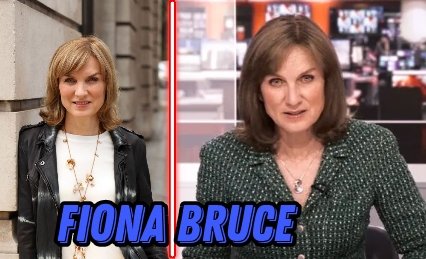
Fiona Bruce is one of the most recognisable faces in British television, known for bringing intelligence, composure, and credibility to every programme she presents. Over the years, she has built a reputation as a broadcaster who can move naturally between hard news, political debate, arts programming, and mainstream factual entertainment. That range is rare, and it helps explain why she has remained relevant for so long in a fiercely competitive media world.
What makes her story especially interesting is that her career was not built on glamour or quick fame. Instead, it was shaped by steady progress, strong editorial instincts, and a clear ability to earn public trust. From her early days behind the scenes to her rise as a major presenter, Fiona Bruce developed into a figure associated with professionalism, authority, and consistency, even while facing the pressure and criticism that come with high-profile journalism.
Quick Bio
| Field | Details |
|---|---|
| Real Name | Fiona Elizabeth Bruce |
| Date of Birth | 25 April 1964 |
| Birthplace | Singapore |
| Nationality | British |
| Education | Hertford College, Oxford; University of London Institute in Paris |
| Degree | French and Italian |
| Profession | Journalist, newsreader, television presenter |
| Years Active | 1989 to present |
| Spouse | Nigel Sharrocks |
| Children | Two |
| Known For | BBC News at Ten, BBC News at Six, Antiques Roadshow, Fake or Fortune?, Question Time |
Early Life and Education
Fiona Bruce was born in Singapore on 25 April 1964 and later grew up in the United Kingdom after spending part of her childhood abroad. Her background gave her exposure to different places and experiences at an early age, which likely helped shape the broad, confident presence that later became part of her television identity. She was raised in a family with British roots and spent important school years in England as well as time studying in Europe.
Her academic route was strong and clearly serious. She studied French and Italian at Hertford College, Oxford, and also attended the University of London Institute in Paris. That educational foundation did more than add prestige to her biography. It helped form the disciplined, articulate communication style for which she later became known. Her command of language and polished delivery have always felt rooted in substance rather than performance alone.
The Start of Her Career
Before entering television, Fiona Bruce worked in management consulting and later in advertising. Those jobs were not the destination that defined her public life, but they mattered because they gave her early professional experience outside broadcasting. They also show that her path into journalism was not an obvious straight line. She tried other fields before finding the one that truly suited her strengths.
Her break came when she joined the BBC in 1989 as a researcher on Panorama. That role placed her inside one of Britain’s most respected current affairs environments, and it gave her a solid journalistic base. Starting as a researcher rather than a presenter is important because it shows that her media career began with newsroom work, editorial discipline, and factual reporting rather than pure on-screen ambition.
Building a Reputation in Television News
As her career developed, Fiona Bruce moved from research into reporting and then into presentation. She worked on programmes such as Breakfast News and Newsnight, gradually becoming a familiar and trusted presence. Her rise was not based on a single dramatic breakthrough but on the steady accumulation of skill, reliability, and screen authority. That kind of progress often lasts longer because it is rooted in real professional credibility.
A major milestone came when she became the first female newsreader on BBC News at Ten. That achievement was not just symbolic. It marked a shift in British broadcasting and helped open doors for greater female visibility in senior television news roles. Her success in that position showed that authority on screen had nothing to do with old assumptions about who should deliver the nation’s biggest headlines.
Moving Beyond Traditional News
One reason Fiona Bruce has had such staying power is that she did not remain limited to one broadcasting lane. While many presenters become closely tied to a single format, she expanded into a much broader portfolio. She became associated not only with major news bulletins but also with factual and cultural programmes that required a different tone, pace, and relationship with viewers.
Her work on Crimewatch, Antiques Roadshow, and Fake or Fortune? showed a presenter able to adapt without losing credibility. That balance is difficult to maintain. Some presenters become too formal for lighter programming, while others lose journalistic weight when they move into popular formats. Fiona Bruce avoided both problems by keeping her delivery controlled, informed, and respectful of the subject matter.
Question Time and Political Visibility
Taking over Question Time was one of the most demanding steps in her career. The programme sits at the centre of British political discussion and requires quick judgement, firm moderation, and the ability to manage strong personalities under live pressure. It is not an easy chair to occupy, and every host is judged harshly. By stepping into that role, she entered one of the most exposed positions in British television.
The move brought both praise and criticism, which is normal for a programme built around conflict and political disagreement. Still, it reinforced an important truth about Fiona Bruce as a broadcaster: she is willing to take on difficult, high-risk roles rather than remain protected inside safer territory. That willingness has helped define her public image as serious, resilient, and fully committed to the demands of public service broadcasting.
Presenting Style and Public Image
The presenting style of Fiona Bruce is one of the main reasons audiences continue to trust her. She is usually calm without seeming cold, formal without becoming stiff, and direct without sounding theatrical. In television, that combination is powerful because viewers often respond best to presenters who appear in control but still human. Her manner suggests preparation, confidence, and respect for the audience.
At the same time, her image has never been entirely free from criticism. As with many visible broadcasters, especially women in high-profile roles, public commentary has often gone beyond her work and entered unfair personal territory. Yet one of the strongest parts of her legacy is the way she has remained focused on the job itself. She has continued to build a career based on substance rather than noise, and that discipline has protected her standing.
Personal Life and Family
Away from the camera, Fiona Bruce has maintained a more private personal life than many public figures. She is married to Nigel Sharrocks, and the couple have two children. That private approach has become part of her identity. In an era when many media personalities turn personal exposure into part of their brand, she has generally kept the focus on her work rather than on public oversharing.
That choice has likely helped preserve the seriousness of her public image. It also reflects the old-school broadcasting culture from which she emerged, where a presenter’s role was to inform and host rather than constantly market a personal lifestyle. In today’s media environment, that restraint can appear unfashionable, but it may also be one reason she still commands respect across a wide audience.
Professional Strengths and Lasting Influence
The career of Fiona Bruce matters because it shows what long-term credibility in broadcasting can look like. She has worked across news, politics, arts, and factual entertainment without losing the core qualities that made viewers trust her in the first place. That is a rare professional achievement. Many presenters are remembered for one era or one show, but her influence stretches across several important areas of British television.
She also stands as an important example for women in broadcasting. Her success in high-authority roles helped challenge outdated industry expectations and contributed to a broader shift in who gets seen as the face of serious journalism. That does not mean her career has been easy or free from controversy. It means her place in television history is meaningful because she combined durability, range, and authority at a very high level.
Why Fiona Bruce Still Matters
In a media age crowded with fast opinions, viral clips, and shrinking attention spans, Fiona Bruce represents something increasingly valuable: steadiness. She belongs to a tradition of broadcasting that prizes preparation, editorial judgement, and clear communication. Whether viewers agree with every programme decision or not, her career reflects a standard of seriousness that still matters in public life.
She also remains relevant because she bridges generations of television. Older audiences know her from major BBC news bulletins, while newer viewers may know her through debate shows and factual programming. That ability to stay visible across changing formats, without becoming a passing trend, is one of the strongest signs of a lasting media figure.
Conclusion
Fiona Bruce has built a career that combines authority, flexibility, and endurance. From her early BBC research work to her role as one of the best-known presenters in British television, she has shown that real broadcasting success is not only about visibility. It is about trust, judgement, and the ability to handle very different subjects with equal seriousness. Her career includes positive milestones, difficult public moments, and constant scrutiny, yet the overall record remains impressive.
What makes her story powerful is that it is both inspiring and realistic. It is inspiring because she broke important ground and became a leading figure in British broadcasting. It is realistic because her path was built through work, adaptation, and persistence rather than overnight success. That is why Fiona Bruce continues to matter, and why her biography remains relevant to anyone interested in journalism, television, and media leadership.
Read this too: Nigel Sharrocks: The Powerful Media Leader Behind Major Brands, Yet a Quiet Figure Outside the Spotlight
FAQ
Who is Fiona Bruce?
Fiona Bruce is a British journalist, newsreader, and television presenter best known for her work with the BBC on programmes such as BBC News at Ten, Antiques Roadshow, Fake or Fortune?, and Question Time.
What is Fiona Bruce famous for?
She is famous for her long BBC career, her role as the first female newsreader on BBC News at Ten, and her work across news, political debate, and factual television.
Where was Fiona Bruce born?
She was born in Singapore.
What did Fiona Bruce study?
She studied French and Italian at Hertford College, Oxford, and also attended the University of London Institute in Paris.
Is Fiona Bruce married?
Yes, she is married to Nigel Sharrocks.
Does Fiona Bruce have children?
Yes, she has two children.
What programmes has Fiona Bruce presented?
Her notable programmes include BBC News at Ten, BBC News at Six, Crimewatch, Antiques Roadshow, Fake or Fortune?, and Question Time.
Why is Fiona Bruce important in British media?
She is important because she built a trusted, long-running broadcasting career and helped break barriers for women in senior television news roles.