How Ethereum Is Reshaping the Future of Sports Fan Engagement

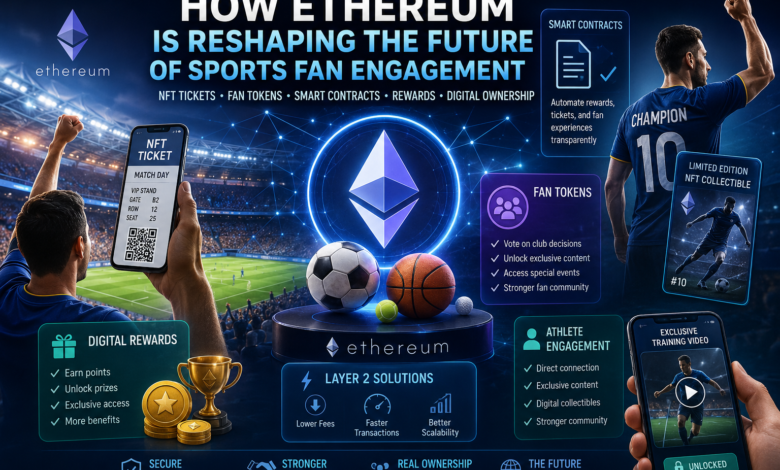
Table of Contents
ToggleIntroduction
The sports industry has always been driven by passion, loyalty, and community. Fans buy tickets, wear team shirts, follow match updates, and support their favourite clubs through good and bad seasons. But in the digital age, traditional fan engagement is no longer enough. Supporters now want more control, more interaction, and more value from the teams and athletes they follow.
This is where Ethereum enters the conversation. Ethereum is not just a cryptocurrency network. It is a global decentralised platform that allows people to build applications, manage digital assets, and use smart contracts without depending on one central company.
For sports organisations, this opens a new door. From NFT tickets to blockchain-based loyalty rewards, Ethereum can help clubs create stronger relationships with fans while giving supporters real digital ownership.
Why Ethereum Matters in the Sports Industry
Ethereum became popular because it allows developers to build decentralised applications on top of its blockchain. CoinIdol’s Ethereum section describes Ethereum as an open software platform based on blockchain technology that helps developers design and deploy decentralised applications.
In simple words, Ethereum allows sports brands to create digital systems that are transparent, programmable, and secure. Instead of relying only on old databases, clubs can use blockchain records to manage tickets, memberships, rewards, collectibles, and fan experiences.
This does not mean every sports club needs to become a crypto company. Instead, Ethereum can work quietly in the background, powering better digital services for fans.
Smart Contracts Can Automate Sports Experiences
One of Ethereum’s strongest features is the smart contract. A smart contract is a program that runs on the Ethereum blockchain and holds both code and data at a specific blockchain address.
For sports, this can be powerful. Imagine a fan buys a digital season pass. The smart contract can automatically give that fan access to match tickets, exclusive video content, discount codes, merchandise rewards, or VIP voting rights.
This reduces manual work for clubs and creates a smoother experience for supporters. Fans do not need to wait for long approval processes. If the rules are written into the smart contract, rewards can be delivered automatically.
For example, a football club could. launch a loyalty programme where fans earn points for attending matches, buying official merchandise, or watching live-streamed events. These points could be issued as tokens and managed transparently on Ethereum.
NFT Tickets Can Reduce Fraud and Improve Ownership
Ticket fraud is still a major problem in sports. Fake tickets, duplicate tickets, and overpriced resale markets can damage the fan experience. Ethereum-based. NFTs can offer a better solution.
Ethereum’s ERC-721 token standard is designed for non-fungible tokens, and Ethereum.org notes that these tokens can represent items such as access keys, lottery tickets, numbered seats for concerts and sports matches.
This means a sports ticket can become a unique digital asset. Each ticket can have a clear owner, a visible history, and specific rules for resale. A club could limit resale prices, prevent fake copies, and reward original buyers with future benefits.
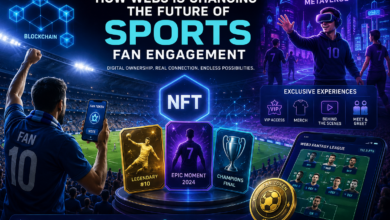
NFT tickets can also become collectibles after the match. A ticket from a final, derby, championship win, or record-breaking performance could remain in the fan’s wallet as a permanent digital memory.
This gives the ticket more emotional and financial value than a simple QR code.
Fan Tokens and Digital Rewards
Sports fans want to feel close to their clubs. Fan tokens can help create that connection. A team could issue Ethereum-based tokens that allow fans to vote in small club decisions, unlock exclusive content, access private communities, or receive early merchandise offers.
These tokens should not be treated only. as speculative trading assets. Their real value comes from utility. If a fan token gives supporters better access and real benefits, it can become part of a club’s long-term digital strategy.
A basketball team, for example, could let token holders vote on warm-up music, limited-edition jersey designs, or charity match themes. These decisions may look small, but they make fans feel included.
In modern sports, emotional connection is everything. Ethereum gives clubs a tool to build that connection in a digital-first world.
Layer 2 Networks Can Make Sports Apps More Practical
One common issue with Ethereum has been transaction cost. When the network becomes busy, gas fees can rise, making small transactions expensive. Ethereum.org explains that Layer 2 solutions help scale applications by handling transactions away from the Ethereum mainnet while still taking advantage of Ethereum’s security model.
For sports apps, this is important. A club cannot expect fans to pay high fees just to claim a reward, transfer a ticket, or collect a badge. Layer. 2 networks can make these activities faster and cheaper.
This means Ethereum-powered sports platforms can become more user-friendly. Fans may not even need to understand blockchain deeply. They can simply use an app, collect rewards, and enjoy the experience while the blockchain works in the background.
Athletes Can Build Direct Relationships With Fans
Ethereum is not only useful for clubs and leagues. Individual athletes can also use blockchain tools to connect directly with supporters.
An athlete could release limited digital. collectibles, private training content, signed digital memorabilia, or membership passes. Fans who hold these assets could receive access to live Q&A sessions, meet-and-greet opportunities, or behind-the-scenes content.
This model gives athletes more control over their personal brand. Instead of depending only on sponsors or social media platforms, they can build their own digital community.
For young athletes, this could become especially useful. A rising player could create a small supporter club where early fans receive special access and future rewards as the athlete’s career grows.
Sponsorship and Brand Partnerships
Sponsors are always looking for new ways to reach sports audiences. Ethereum-based fan engagement can create fresh opportunities for brands.
A sponsor could fund digital rewards for fans, create NFT campaigns around major matches, or offer blockchain-based discount vouchers. Because blockchain activity can be transparent, brands may also get better insight into campaign performance.
For example, a sportswear company could partner with a football club to launch limited NFT badges. Fans who collect the badge could unlock a discount on official shoes or jerseys. This creates a clear bridge between digital engagement and real-world sales.
The key is to make the experience useful, not complicated.
Risks Sports Brands Must Consider
Ethereum brings many opportunities, but sports organisations must also be careful. Crypto markets are volatile, and fans may not trust projects that look like quick money schemes.
Security is another major concern. Smart contracts should be audited before launch, wallets should be easy to use, and fans should receive clear education. If a project is too complex, people will avoid it.
Sports brands must also follow local laws and consumer protection rules. A fan engagement project should be built for long-term value, not hype.
The best approach is simple: focus on real utility. Better tickets, better rewards, better access, and better fan experiences.
The Future of Ethereum in Sports
The future of sports is likely to become more digital, more interactive, and more personalised. Ethereum can support this shift by giving fans digital ownership and giving clubs new tools to build loyalty.
In the coming years, we may see more teams. using NFT tickets, blockchain loyalty cards, digital memberships, and token-based communities. Fans may carry their entire sports identity in one wallet, including tickets, rewards, badges, collectibles, and membership status.
This does not replace the live stadium experience. It improves it. The passion of sports will remain the same, but the technology around it will become smarter.
Conclusion
Ethereum has the potential to change how sports organisations connect with fans. Through smart contracts, NFTs, fan tokens, and Layer 2 networks, clubs can create more secure, interactive, and rewarding digital experiences.
For fans, this means more than just watching a match. It means owning digital memories, receiving real rewards, and becoming part of a stronger community.