
Sport has always been more than a game. It is emotion, identity, loyalty, memory and community. A fan does not simply watch a football match, a cricket final, a basketball game or a tennis tournament. They live the tension, celebrate the win, feel the loss and carry the story long after the final whistle.
For decades, sports clubs and organisations built that relationship through stadiums, television, merchandise and social media. But the next chapter is starting to look different. A new layer of technology is entering the sports world, and it is changing how fans connect with teams, athletes and live moments.
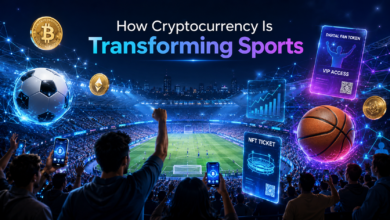
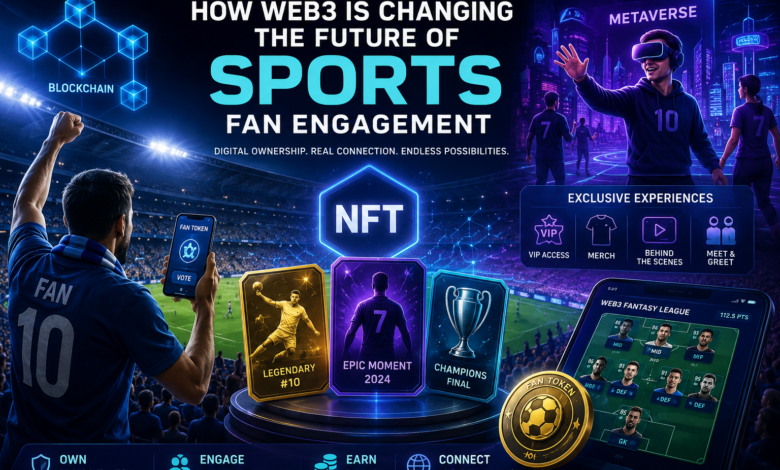
From NFT collectibles and blockchain-powered fantasy games to metaverse experiences and token-based rewards, Web3 is giving sports fans a more active role. They are no longer just viewers. They are becoming collectors, participants and digital members of global fan communities.
The Shift From Watching to Participating
Traditional sports engagement was mostly one-way. A club played, a fan watched, and the connection depended on tickets, broadcasts, shirts or social media posts. That model still matters, but digital behaviour has changed.
Today’s fans want access, interaction and personal value. They want to vote, collect, compete, unlock experiences and feel closer to the team. Younger audiences, especially, are comfortable living across physical and digital spaces. They watch highlights on short-form video, play sports games online, join fan groups and follow athletes across platforms.
Web3 fits into this shift because it creates digital ownership. A fan can own a collectible, use it inside a game, trade it, display it or connect it to exclusive rewards. In the past, a signed shirt or match ticket was a physical memory. Now, a digital asset can also become part of the fan’s identity.
This is why sports has become one of the most interesting areas for Web3 adoption.
Why Sports and Web3 Make Sense Together
Sports already have the ingredients Web3 needs: loyal communities, emotional storytelling, rare moments and global audiences. A winning goal, a historic tournament, a legendary player or a championship season can all become digital experiences.
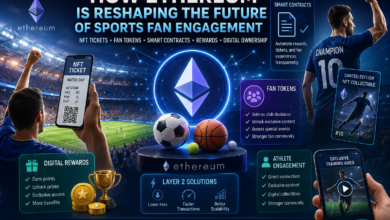
NFTs in sports are not only about pictures or hype. Their strongest use comes when they connect to something meaningful. That could be priority ticket access, digital membership, fantasy game participation, exclusive merchandise, VIP experiences or behind-the-scenes content.
Cryptoflies’ own Sports coverage shows this direction clearly, with stories around football clubs launching Web3 fantasy experiences, NFT trading cards and metaverse activations. For example, Manchester United launched a Web3 fantasy soccer game with collectible NFTs for the 2024/25 season, where player performance could affect fan points and leaderboard rankings.
That kind of model shows why Web3 can be powerful in sports. It connects real match performance with digital participation. Fans are not only watching their favourite players. They are using digital cards, building teams and competing with other supporters.
Digital Collectibles Are Becoming Modern Sports Memorabilia
Sports fans have always collected. Trading cards, jerseys, scarves, signed balls and match tickets have been part of fan culture for generations. Web3 does not replace that culture; it expands it.
A digital collectible can represent a player, a moment, a team, a tournament or a limited-edition campaign. The difference is that blockchain can make ownership easier to verify. Fans can prove they own a specific collectible, see its history and use it across supported platforms.
Manchester City’s partnership with Quidd for NFT trading cards is a good example of this direction. The project aimed to offer themed digital cards along with fan perks such as merchandise, hospitality tickets and real-life experiences.
This is important because the future of sports NFTs depends on utility. If a collectible gives fans access, recognition or a real benefit, it becomes more than a digital image. It becomes a membership layer.
Fantasy Sports Could Become More Interactive
Fantasy sports are already popular because they make fans think like managers. Web3 adds another dimension by allowing digital assets to be part of the experience.
Instead of simply choosing players from a list, fans may use blockchain-based player cards or collectible assets. These assets can connect to live statistics, real-world performances and competitive leaderboards. This creates a deeper relationship between the fan, the athlete and the game.
For clubs, this opens a new way to keep fans engaged between matches. For fans, it creates a sense of participation that goes beyond watching the score.
The key is balance. Web3 fantasy sports should be simple, fair and accessible. If the experience becomes too technical, many fans will leave before they even begin. The best sports Web3 products will not feel like complicated crypto tools. They will feel like smooth fan experiences powered quietly by blockchain in the background.
The Metaverse Brings Sports Into Digital Worlds
Another major area is the metaverse. Sports clubs are exploring virtual spaces where fans can play games, attend events, unlock rewards and interact with branded experiences.
Paris Saint-Germain, for example, launched a virtual experience on Roblox called “Paris Saint-Germain OBBY,” created with The Gang, offering rewards and interactive surveys for users.
This type of project matters because younger fans often discover brands inside games before they engage with them in traditional ways. A child may interact with a football club in Roblox, play a branded challenge, win a digital item and later become curious about the real team.
For global clubs, this is a major opportunity. Not every fan can visit a stadium in Manchester, Paris, Madrid or Milan. But a digital world can bring international fans closer to the club experience.
Trust and Regulation Will Shape the Future
Web3 in sports is exciting, but it also brings challenges. Fan protection, transparency and regulation are important. Sports organisations must be careful not to turn fan loyalty into risky speculation.
This is especially important when digital assets are linked to uncertain outcomes, ticket access or fluctuating value. FIFA’s 2026 World Cup NFT ticket-related tokens reportedly faced review by Switzerland’s gambling regulator because of concerns around chance, value changes and financial risk.
This shows that the future of Web3 sports will not only depend on innovation. It will depend on responsible design.
Fans should clearly understand what they are buying, what benefits they receive, what risks exist and whether an asset has any resale or access limitations. If sports organisations want long-term trust, they must avoid overpromising and focus on clear utility.
Blockchain Infrastructure Is Becoming More Serious
As Web3 sports grows, major organisations are also thinking about infrastructure. It is not enough to launch one NFT drop and disappear. Fans need reliable platforms, low fees, smooth access and long-term support.
FIFA’s collaboration with Avalanche to build a custom Layer-1 blockchain for its NFT ecosystem shows how large sports bodies are exploring dedicated infrastructure for digital collectibles and fan engagement.
This suggests that Web3 sports may move from experimental campaigns to more stable digital ecosystems. In the future, a fan account could hold collectibles, tickets, rewards, loyalty points, game items and membership benefits in one place.
The Human Side of Web3 Sports
The real story is not the technology itself. The real story is what technology allows people to feel.
A fan in Pakistan, India, Brazil, Nigeria or the UK may never attend a Chamions League final or a World Cup match. But through digital collectibles, virtual events and blockchain-based fan experiences, they can still feel closer to the teams they love.
That emotional connection is what matters. Web3 should not make sport colder or more technical. It should make fan culture more open, more interactive and more personal.
The strongest projects will be those that understand this human side. They will not lead with buzzwords. They will lead with access, memory, community and belonging.
What Comes Next?
The next phase of Web3 in sports will likely be more practical. Instead of random NFT drops, fans may see digital collectibles connected to tickets, loyalty programmes, fantasy leagues, stadium experiences, gaming rewards and exclusive content.
Clubs may use blockchain to recognise long-term supporters. Athletes may release personal digital memberships. Leagues may create official collectible marketplaces. Sponsors may build interactive campaigns that reward fans for participation.
But success will depend on simplicity. Fans should not need to understand private keys, wallets or blockchain networks to enjoy the experience. The technology should work quietly behind the scenes, while the fan enjoys the game.
Conclusion
Web3 is not replacing traditional sports culture. Stadium chants, matchday emotion, classic shirts and unforgettable goals will always remain at the heart of sport. But Web3 is adding a new digital layer to that culture.
It gives fans new ways to collect, compete, participate and belong. It gives clubs new ways to build global communities. And it gives sports organisations a chance to turn passive attention into active engagement.
The future of sports fan engagement will not be built only on screens, tokens or collectibles. It will be built on trust, utility and emotion.
When Web3 understands that, it can become more than a trend. It can become a meaningful part of how the next generation experiences sport