

Introduction
The sports industry has always been quick to adopt new trends that improve fan experience, sponsorship value, and global audience reach. From live broadcasting to digital streaming, every major technology shift has changed how fans connect with their favourite teams and athletes. Today, cryptocurrency and blockchain technology are becoming the next major step in this transformation.
Cryptocurrency is no longer only about Bitcoin trading or market speculation. It is now being used in real-world industries, and sports is one of the most exciting areas where this technology is making an impact. From fan tokens and NFT tickets to crypto sponsorships and blockchain-based rewards, the relationship between crypto and sports is growing stronger every year.
For sports organisations, crypto creates new ways to build loyalty, raise revenue, and connect with global fans. For fans, it offers more control, digital ownership, and direct participation in the sports ecosystem.
Why Sports and Cryptocurrency Are a Natural Match
Sports is a global industry. A football club in Europe can have millions of fans in Asia, Africa, the Middle East, and America. Traditional payment systems and fan engagement platforms often struggle to serve such a wide international audience smoothly.
Cryptocurrency helps solve this problem by making digital transactions faster, borderless, and more flexible. Fans can use crypto wallets, tokens, and blockchain-based platforms to access exclusive content, buy digital collectibles, participate in polls, or receive rewards without depending only on local banking systems.
This is one reason sports clubs, athletes, leagues, and entertainment platforms are exploring blockchain technology. It gives them a direct connection with fans worldwide and creates digital assets that can be owned, traded, and used within online communities.
Fan Tokens: Giving Supporters a Stronger Voice
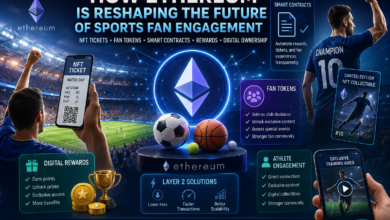
One of the biggest crypto trends in sports is the rise of fan tokens. These are digital tokens created for sports clubs or teams. Fans who hold these tokens may get access to special benefits such as voting rights in minor club decisions, exclusive merchandise, VIP experiences, matchday rewards, and behind-the-scenes content.
Fan tokens do not usually give ownership of the club, but they create emotional and digital involvement. A fan who owns a team token may feel more connected because they are not just watching from the outside. They are participating in the club’s digital community.
For sports brands, this is powerful. It turns passive followers into active digital members. Instead of only selling tickets or shirts, clubs can create long-term engagement through blockchain-powered loyalty systems.
NFT Ticketing and Digital Collectibles
NFTs, or non-fungible tokens, have also entered the sports world. In simple words, an NFT is a unique digital asset recorded on a blockchain. In sports, NFTs can be used for collectible cards, historic match moments, digital autographs, limited-edition artwork, and even event tickets.
NFT ticketing is especially interesting because it can reduce fake tickets and ticket fraud. Since blockchain records ownership clearly, it becomes easier to verify whether a ticket is real. Event organisers can also track resales and create smarter ticketing systems.
For fans, NFT tickets can become more than just entry passes. A ticket from a major final, championship, or legendary match can become a digital collectible that remains in the fan’s wallet forever. This gives emotional and financial value to sports memories.
Crypto Sponsorships in Modern Sports
Crypto companies have become active sponsors in the sports industry. Exchanges, blockchain projects, wallet providers, and Web3 platforms have partnered with teams, stadiums, tournaments, and athletes to increase brand visibility.
Sports sponsorship gives crypto companies access to millions of loyal fans. At the same time, clubs and leagues receive new financial opportunities from fast-growing digital companies. This partnership benefits both sides when handled responsibly.
However, sports organisations must also be careful. The crypto market can be volatile, and not every project is reliable. Teams should work with transparent, regulated, and trustworthy crypto companies to protect their reputation and their supporters.
Athlete Payments and Personal Branding
Athletes are also exploring cryptocurrency. Some players have accepted part of their salary or bonuses in crypto. Others have launched NFT collections, personal tokens, or blockchain-based fan communities.
This gives athletes more independence in building their personal brands. Instead of depending only on clubs, sponsors, or media companies, athletes can connect directly with fans through digital assets and Web3 platforms.
For example, an athlete can release limited NFT collectibles, offer exclusive training content, create token-gated communities, or reward loyal supporters. This can open new income streams while strengthening fan relationships.
Blockchain for Transparency in Sports
Blockchain technology is not only useful for payments and collectibles. It can also improve transparency in sports operations. Because blockchain records are difficult to alter, they can be used for secure data management, contract records, anti-fraud systems, and supply-chain tracking for merchandise.
For example, official sports merchandise can be verified through blockchain tags. Fans can confirm whether a jersey, signed item, or collectible is authentic. This protects fans from fake products and helps clubs maintain brand trust.
Blockchain could also support transparent charity campaigns, athlete funding, and sports development programmes. Donors and fans can see where funds are going, making the system more trustworthy.
Crypto Rewards and Loyalty Programmes
Sports fans love rewards. Clubs and brands can use crypto-based loyalty programmes to reward fans for watching matches, buying merchandise, attending games, sharing content, or participating in online communities.
Instead of traditional points that can only be used in one place, blockchain-based rewards may be more flexible. Fans could store them in digital wallets, use them for exclusive access, exchange them within a platform, or redeem them for special experiences.
This creates a stronger relationship between sports brands and their audiences. Fans feel valued, while clubs gain more engagement and data about their global supporter base.
Risks and Challenges
Even though cryptocurrency has strong potential in sports, there are also risks. The crypto market is volatile, and token prices can rise or fall quickly. Fans who buy tokens without understanding the risks may face losses.
There are also regulatory challenges. Different countries have different rules for crypto trading, advertising, taxes, and consumer protection. Sports organisations must follow local laws and avoid promoting risky projects without proper education.
Security is another important issue. Fans must learn how to protect their wallets, private keys, and digital assets. If a wallet is hacked or a private key is lost, recovery can be difficult.
That is why education is important. Sports clubs and crypto platforms should explain risks clearly and avoid making unrealistic promises.
The Future of Crypto in Sports
The future of cryptocurrency in sports looks promising, but it will depend on trust, regulation, and real utility. Projects that only depend on hype may disappear, but platforms that offer genuine value can become a permanent part of the sports industry.
In the coming years, we may see more blockchain ticketing, token-based memberships, digital fan clubs, NFT collectibles, crypto payments, and Web3 sports communities. Clubs that understand this technology early may gain an advantage in global fan engagement.
The most successful crypto-sports projects will be those that focus on usefulness, transparency, and fan experience rather than short-term speculation.
Conclusion
Cryptocurrency is changing the sports industry by creating new ways for fans, athletes, clubs, and sponsors to interact. From fan tokens and NFT tickets to crypto rewards and blockchain transparency, Web3 technology is opening fresh opportunities for global sports engagement.
However, this transformation must be handled carefully. Education, security, regulation, and responsible promotion are essential. Fans should understand both the benefits and risks before entering the crypto sports ecosystem.
Sports has always been about passion, loyalty, and community. Cryptocurrency adds a new digital layer to that experience. If used correctly, it can make fans more connected, athletes more independent, and sports organisations more innovative in the digital age.