
John Sissons: The Phenomenal Football Journey and Complete Biography
Discover the incredible rise, historic FA Cup glory, and enduring legacy of a legendary English winger.

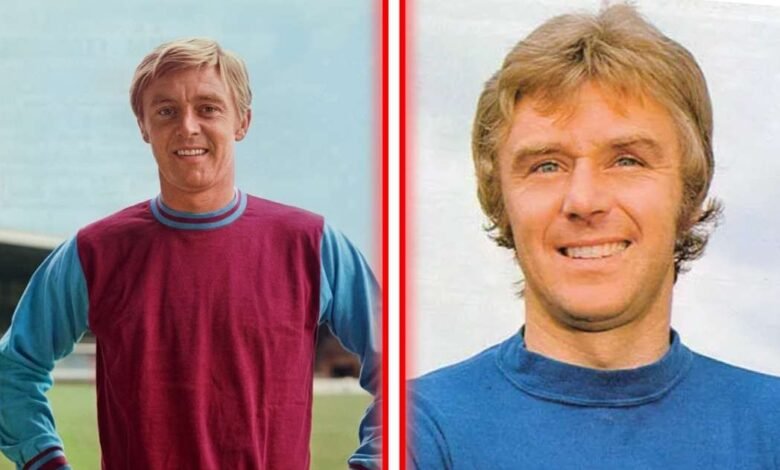
The world of English football has witnessed many incredible talents, but few left an early mark quite like John Sissons. Known for his blistering pace and sharp crossing ability, he became a standout left-winger during the 1960s. He thrilled crowds with his dynamic style and quickly established himself as a feared attacker in the sport.
From his humble beginnings playing in Middlesex to scoring on the grand stage of Wembley Stadium, his journey is a fascinating tale of dedication. Today, fans still remember his crucial role in securing major trophies for West Ham United. This comprehensive article explores the early life, professional career, and lasting impact of this remarkable athlete.
Quick Bio
| Field | Details |
| Full Name | John Leslie Sissons |
| Date of Birth | September 30, 1945 |
| Place of Birth | Hayes, Middlesex, England |
| Nationality | English |
| Profession | Former Professional Footballer |
| Playing Position | Forward / Left Winger |
Early Life and Education
John Sissons was born on September 30, 1945, in Hayes, Middlesex, an area of west London famous for its strong post-war industrial community. Growing up in a hardworking neighborhood, he spent much of his childhood playing football in local streets and parks. His passion for the game was evident from a young age, and he rapidly developed a natural athletic talent.
During his formative years in the 1950s, he received his education at Mellow Lane School in his hometown. Within this school environment, he began playing organized youth matches, representing his team with impressive skill. His outstanding forward performances soon caught the attention of regional selectors, paving the way for his entry into competitive youth representative football.
Youth Football and Career Start
The sporting journey of John Sissons accelerated when he was selected to play as an inside-left for the Middlesex Schoolboys team. His immense attacking potential eventually led to a call-up for the England Schoolboys squad during the 1960 to 1961 season. During this breakthrough period, he scored a post-war record of eleven goals in just seven appearances, establishing himself as an elite prospect.
In 1961, his exceptional youth form attracted the attention of professional football scouts, most notably Charlie Faulkner. Sissons officially joined the East London club as an apprentice, immersing himself in their youth development system. Under the guidance of legendary manager Ron Greenwood, he transitioned to the outside-left position and honed the tactical discipline needed for professional success.
Complete Career Overview
After excelling in the youth ranks and helping his team secure the 1963 FA Youth Cup, John Sissons made his senior professional debut on May 4, 1963. Playing against Blackburn Rovers in a First Division match, the young winger proved that he possessed the quality for the highest level of English football. This milestone marked the beginning of a vibrant club career.
Throughout his professional journey, he became universally known for his explosive speed, offensive creativity, and ability to challenge seasoned defenders. He amassed a total of 375 professional league appearances and scored 72 goals across various competitions. His diverse club career took him from London to successful stints in Yorkshire, East Anglia, the United States, and South Africa.
Glory Days at West Ham United
The most celebrated chapter of his sporting career undoubtedly took place at West Ham United, where he spent eight highly productive seasons. The 1963 to 1964 season served as his major national breakthrough, culminating in a historic FA Cup campaign. At just eighteen years old, he became the youngest player at the time to score in an FA Cup Final at Wembley.
His immense success with the famous club continued the following year when he played a vital role in securing the 1965 European Cup Winners’ Cup against 1860 Munich. Over his memorable tenure with the Hammers, he accumulated 265 total appearances and scored 53 important goals. He formed an integral part of an iconic squad that included football icons like Bobby Moore.
Sheffield Wednesday and Later Years
In July 1970, John Sissons embarked on an exciting new career challenge by formally transferring to Sheffield Wednesday for a fee of £60,000. Over the next four seasons, he remained a highly consistent and dangerous attacking threat in the Second Division, making 115 league appearances and scoring 14 goals. His time spent competing in Yorkshire perfectly showcased his professional adaptability.
The latter stages of his playing career included a brief reunion with former teammate John Bond at Norwich City before joining Chelsea in 1974. Following his time playing in West London, he adventurously ventured to the United States to play for the Tampa Bay Rowdies on loan. He ultimately emigrated to South Africa, concluding his playing days with Cape Town City before retiring in 1978.
International Representation
While he is widely remembered for his brilliant club achievements, John Sissons also enjoyed a distinguished career representing his home country at various youth levels. His early goal-scoring exploits with the England Schoolboys squad laid a remarkably strong foundation for his future international call-ups. He consistently demonstrated his unique ability to perform well under extreme pressure against elite competition.
His most notable international achievement occurred during the 1964 UEFA European Under-18 Championship. He brilliantly scored the fourth goal in a resounding final victory over Spain at the famous Olympic Stadium in Amsterdam. Additionally, his impressive club form earned him well-deserved recognition at the under-23 level, where he proudly collected ten official international caps representing the England U23 national side.
Business Ventures and Current Life
Following his official retirement from professional sports at the age of thirty-three, John Sissons smoothly transitioned into the corporate business world. He actively chose to remain living in South Africa, a country he had grown incredibly fond of during the final years of his playing career. Embracing his new home, he applied the same work ethic that made him a successful athlete to his entrepreneurial pursuits.
Today, the famous former winger happily resides in the vibrant city of Cape Town, where he operates as a senior partner in a successful motor products and warranty firm. Despite living far abroad, he maintains a strong personal connection to his footballing roots and his former clubs in England. He occasionally participates in special commemorative events, celebrating the historic milestones he helped achieve.
Legacy and Impact on Football
The lasting sporting legacy of John Sissons is firmly cemented in the rich cultural history of English football, particularly among the dedicated fanbase in East London. He perfectly represented a special generation of naturally gifted wingers who brought flair, rapid pace, and pure excitement to the traditional game. His ability to perform on the grandest global stages at a young age continues to inspire modern youth prospects.
Holding the prestigious distinction of being a teenage goalscorer in a highly competitive FA Cup Final remains one of his most celebrated historical records. Loyal fans who closely followed the sport during the 1960s still regard him as one of their absolute favorite players. His remarkable journey from a young schoolboy prodigy to a celebrated European champion ensures his name will always be respectfully remembered.
Conclusion
In summary, the incredible story of John Sissons stands as a powerful testament to natural athletic talent, unwavering dedication, and the thrill of classic 1960s football. From his record-breaking teenage days as a dominant schoolboy to proudly lifting major European trophies, he experienced a career filled with unforgettable highlights. His phenomenal contributions as a rapid left-winger undoubtedly left an indelible mark on the clubs he represented.
Decades after his final professional match, his legendary sporting status remains completely intact, easily surviving the ultimate test of passing time. Whether deeply remembered through his historic goals at Wembley or his impressive business success in South Africa, he proved to be an extraordinary individual both on and off the pitch. Football enthusiasts worldwide will forever cherish the dynamic memories he created during a truly golden era.
FAQ
Who is John Sissons?
John Sissons is a retired English professional footballer who played primarily as a dynamic left-winger. He is most famous for his highly successful tenure with West Ham United during the 1960s, where he won major domestic and European trophies.
When was John Sissons born?
He was born on September 30, 1945, in Hayes, Middlesex, England. He spent his early life and school years in this exact area, where he first discovered and nurtured his deep passion for the sport.
What is the most famous record held by John Sissons?
At the young age of eighteen, he became the youngest player at the time to successfully score a goal in an FA Cup Final at Wembley. He achieved this historic feat by scoring the equalizing goal against Preston North End in 1964.
Which football clubs did John Sissons play for?
During his extensive professional career, he proudly played for West Ham United, Sheffield Wednesday, Norwich City, Chelsea, the Tampa Bay Rowdies, and finally Cape Town City.
Did John Sissons represent the England national team?
Yes, while he did not play for the senior men’s squad, he heavily represented England at the youth level. This impressive run includes the England Schoolboys, the Under-18 team, and earning ten official caps for the England U23 team.
Where does John Sissons live now?
After officially retiring from professional sports, he permanently settled in Cape Town, South Africa. He successfully transitioned into the private business sector and became a senior partner in a thriving motor products firm.
Read this too: Tara Capp: The Inspiring Journey of a British Entrepreneur