
Beyond Cavities: The Oral Cancer and Sleep Apnoea Screening Now Built Into a Standard Check-Up

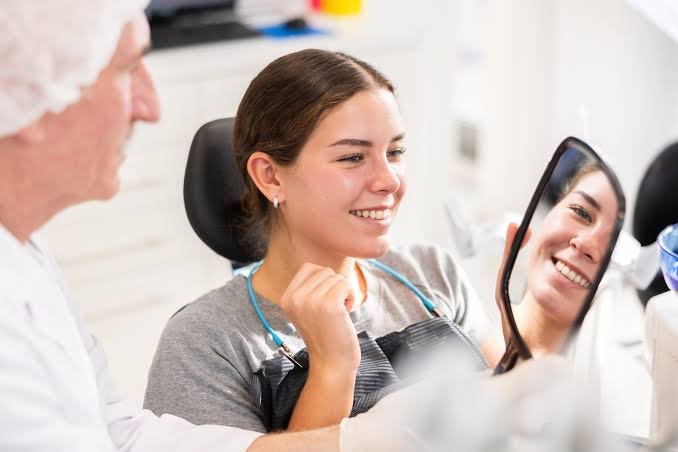
Ask most people what happens at a dental check-up and they’ll describe the same three things: a look at your teeth, maybe an X-ray, and a scale and polish if you’re lucky. That description hasn’t been complete for a while. A routine visit to a dentist in Rugby today covers ground that has nothing to do with cavities at all and two of the additions matter more than most patients realise.
The Screening Most People Don’t Know They’re Getting
Oral cancer screening happens during nearly every standard check-up, but it’s rarely announced as its own separate step. While checking your teeth and gums, a dentist is also looking at your tongue, the inside of your cheeks, the floor of your mouth, and the back of your throat for anything unusual white or red patches, sores that haven’t healed, lumps, or areas of persistent irritation.
This matters because oral cancer is one of the few cancers where early detection genuinely changes outcomes, and it’s also one where symptoms are easy to miss on your own. A patch on the side of the tongue or under the jaw doesn’t hurt in its early stages. It’s the kind of thing a dentist in Rugby is trained to notice specifically because patients usually can’t.
Sleep Apnoea: The Newer Addition
The second expansion is less well known and considerably newer to general practice: dentists increasingly check for physical signs of sleep apnoea during a routine exam.
The mouth carries clues that a GP wouldn’t necessarily see. A scalloped edge along the tongue, unusual wear patterns on the back teeth from grinding, a narrow palate, or an enlarged tongue relative to the mouth can all point toward disrupted breathing during sleep. None of these are diagnostic on their own, a dentist isn’t diagnosing sleep apnoea in the chair but they’re often enough to prompt a conversation and a referral for a proper sleep assessment.
This has become a bigger part of dental training as awareness has grown that sleep apnoea is both under-diagnosed and connected to wider health risks, including heart problems and high blood pressure. A dental check-up has quietly become one of the more likely places these signs get flagged first, simply because dentists look inside the mouth more closely and more often than most other healthcare visits allow.
Why This Shift Happened
Neither addition came from nowhere. Oral cancer rates have been rising in the UK over recent years, and public health guidance has pushed dental teams to treat screening as a standard part of every visit rather than something reserved for older or higher-risk patients. Sleep apnoea awareness has grown for a different reason as more research has connected it to cardiovascular and metabolic health, dentistry has become recognised as an early access point precisely because so many people see a dentist more regularly than they see any other clinician.
The result is that a check-up with a dentist in Rugby now does more work per visit than it used to, even though the appointment itself hasn’t got any longer.
What This Looks Like in Practice
At Andrew Lee Dental Practice, a short drive from Rugby in Lillington, this broader approach is built into how the clinical team runs a standard appointment rather than treated as an optional extra. Andrew Lee, who founded the practice over three decades ago, along with dentists across the team trained in general and restorative care, carry out these checks as part of the same visit where teeth and gums are assessed, patients aren’t booked in separately for a “cancer screening appointment” or a “sleep check.”
What to Ask For If You’re Not Sure You’re Getting It
Not every practice frames this clearly to patients, so it’s worth asking directly:
Whether your dentist checks the soft tissue in your mouth and throat as standard, not just your teeth. Whether wear patterns on your back teeth have ever been flagged as a possible grinding or breathing-related issue. And whether any unusual patches, sores, or lumps would be something they’d mention to you directly, rather than only noting in your file.
The Bottom Line
A check-up with a Emergency Dentist Warwick covers considerably more than it did a decade ago, and most of that extra ground goes unnoticed by patients simply because it’s woven into the same short appointment rather than presented as something separate. Oral cancer screening and sleep apnoea signs are both now a routine part of the visit which means skipping check-ups doesn’t just risk a cavity going unnoticed. It risks missing two things that have very little to do with your teeth at all.