Joy Gregory: Powerful Biography of a Visionary British Artist
The inspiring story of a photographer who turned beauty, memory, race, and history into meaningful visual art

Introduction
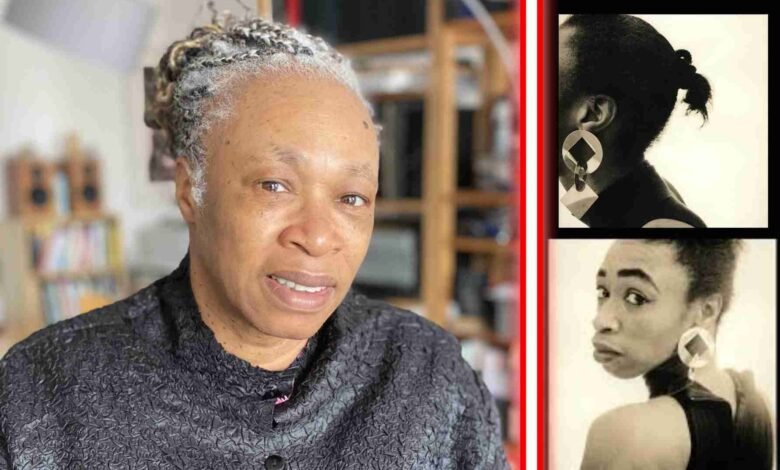
Joy Gregory is a British visual artist, photographer, and educator known for thoughtful work that connects image-making with identity, culture, language, and history. Her career shows the positive power of art to open difficult conversations, but it also reveals the negative truth that many stories of race, gender, and colonial memory have often been ignored.
Joy Gregory has built a respected place in contemporary photography through research, experimentation, and a clear social voice. Her work is not only about taking pictures; it is about asking who gets seen, who gets remembered, and how culture shapes the way people understand beauty and belonging.
Quick Bio
| Field | Details |
|---|---|
| Real Name | Joy Gregory |
| Date of Birth | 7 November 1959 |
| Age | 66 years old as of 2026 |
| Birthplace | Bicester, Oxfordshire, England |
| Nationality | British |
| Ethnicity | Black British / Jamaican heritage |
| Profession | Visual artist, photographer, educator, multimedia artist |
| Education | Manchester Polytechnic; Royal College of Art, London |
| Known For | Photography, video, printmaking, textiles, historical photographic processes |
| Main Themes | Race, gender, identity, beauty, colonial history, memory, language, migration |
| Career Start | 1980s |
| Major Recognition | Royal Photographic Society Honorary Fellowship, Freelands Award, Honorary Professorship |
Joy Gregory Early Life and Background
Joy Gregory was born in Bicester, Oxfordshire, England, on 7 November 1959. She was born to Jamaican parents and grew up in England, where her British surroundings and Caribbean heritage helped shape her understanding of identity, culture, and representation.
Her background later became an important part of her artistic voice. Instead of treating identity as a simple label, she studied how race, gender, memory, language, and history affect the way people are seen in society.
Education and Creative Foundation
Gregory studied at Manchester Polytechnic and later completed an MA in Photography at the Royal College of Art in London. This education helped her build technical skill, visual discipline, and a deep interest in photography as both an artistic and research-based medium, according to Joy Gregory’s official biography.
Her training also gave her the confidence to work beyond standard photographic practice. She became known for combining modern media with historical photographic processes, creating work that feels both contemporary and connected to the past.
Joy Gregory Career Start in British Photography
Joy Gregory began her career in the 1980s, a period when Black British artists and photographers were creating powerful new conversations about identity, representation, and social history. Her work entered this cultural moment with intelligence, elegance, and a strong awareness of the politics behind images.
She did not build her career by following one fixed style. Instead, she developed a flexible practice across photography, video, printmaking, digital media, textiles, and installation, allowing each project to choose the form that best served its message.
Artistic Style and Themes
Gregory is known for using beauty in a serious and meaningful way. Her images can appear calm, delicate, or elegant at first, but they often carry deeper questions about power, race, gender, class, colonial history, and cultural loss.
Her art often studies how society creates standards of beauty and belonging. By looking at objects, bodies, flowers, language, and personal memory, she shows how ordinary things can carry large histories.
Race, Identity, and Representation
One of the central themes in her work is representation. She explores how Black British identity has been shaped by history, migration, family background, and the wider social structures that decide who is visible and who is overlooked.
Her work does not present identity as flat or predictable. It shows identity as layered, personal, cultural, historical, and sometimes shaped by painful gaps in public memory.
Gender, Beauty, and Social Meaning
Joy Gregory also examines gender and beauty with care. Her work questions Eurocentric beauty standards and studies how women are judged, displayed, and understood through social expectations.
This makes her art important for feminist visual culture. She turns beauty into a subject of thought, not just decoration, and asks viewers to look beyond the surface.
Major Works and Projects
Her known series include Autoportrait, Objects of Beauty, The Blonde, The Handbag Project, Lost Languages and Other Voices, Language of Flowers, Memory and Skin, and The Honeymoon Project. These projects show her ability to connect personal image-making with wider cultural themes.
They also show why her work remains relevant in discussions of Black British photography, women artists, contemporary art, and experimental photographic practice.
Autoportrait
Autoportrait is one of her important early works and is often linked with her exploration of identity and self-representation. The series reflects questions about how the self is constructed, viewed, and interpreted through photography.
It is significant because it does not treat portraiture as simple documentation. Instead, it uses self-image as a way to question visibility, control, and the politics of looking.
The Blonde
The Blonde is another known project that examines beauty standards and race. It looks at the cultural power attached to blondness and how beauty ideals can carry racial and social meanings.
The project is sharp because it shows that beauty is never neutral. What a society praises as beautiful often reveals deeper ideas about race, class, gender, and cultural power.
Lost Languages and Other Voices
Lost Languages and Other Voices explores language, memory, and cultural loss. It reflects Gregory’s interest in how communities can lose not only words but also histories, knowledge, and ways of seeing the world.
This project is important because language is closely connected to identity. When language disappears or is pushed aside, part of a culture’s memory can also become harder to recover.
Historical Photographic Processes
Joy Gregory is widely respected for her use of historical photographic methods. Her practice includes processes such as cyanotypes, salt prints, and kallitypes, which give her work a handmade quality and a strong connection to photographic history.
These methods are not used only for style. They help her connect the present with the past and make viewers think about photography’s role in science, empire, classification, memory, and visual evidence.
Joy Gregory Exhibitions and Recognition
Joy Gregory has exhibited in the United Kingdom and internationally. Her work has appeared in galleries, museums, and cultural institutions that focus on photography, contemporary art, and visual culture.
Her major recognition includes an Honorary Fellowship from the Royal Photographic Society in 2019, the Freelands Award with Whitechapel Gallery in 2023, and an Honorary Professorship from Norwich University of the Arts in 2024. These honors reflect her long contribution to British photography and visual art.
Source of Income and Professional Work
Gregory earns through her professional art career. Her income sources are connected to exhibitions, commissions, art sales, teaching, public projects, publications, and funded artistic work.
She is not mainly known as a commercial business figure. Her professional value comes from her long artistic practice, public commissions, educational role, and respected place in contemporary photography.
Recent News and Public Attention
In recent years, Joy Gregory has received wider public attention through major institutional recognition and survey exhibitions. Her work has gained renewed interest because many of her themes, including migration, race, cultural memory, and gender, remain highly relevant today.
Her exhibition Catching Flies with Honey at Whitechapel Gallery brought together work from across her career. It helped introduce her practice to new audiences while also confirming her importance for people already familiar with British photography.
Joy Gregory Legacy in Art and Photography
Joy Gregory has a strong legacy as a British artist who expanded what photography can do. She used the camera, historical processes, research, and mixed media to explore subjects that are personal, political, and cultural at the same time.
Her legacy is positive because she opened space for deeper conversations in art. It is also a reminder of a negative history: many voices connected to Black British life, women’s experience, colonial memory, and endangered languages have not always been given the attention they deserve.
Conclusion
Joy Gregory is an important figure in British photography because her work combines beauty with serious cultural thought. She has spent decades creating art that studies race, gender, identity, memory, language, migration, and history without reducing those subjects to simple messages.
Her career proves that photography can be more than a visual record. It can become a way to question power, recover memory, challenge beauty standards, and give value to stories that deserve to be seen.
Read this too: Nick Goss: Powerful Story of a Visionary Painter Who Turns Lost Places Into Living Art
FAQs About Joy Gregory
Who is Joy Gregory?
Joy Gregory is a British visual artist, photographer, educator, and multimedia artist. She is known for work that explores identity, race, gender, beauty, colonial history, memory, language, and cultural representation.
When was Joy Gregory born?
She was born on 7 November 1959 in Bicester, Oxfordshire, England. As of 2026, she is 66 years old.
What is Joy Gregory known for?
She is known for photography, video, printmaking, textiles, installation, and historical photographic processes. Her important themes include Black British identity, beauty standards, gender, language, memory, migration, and colonial history.
Where did she study?
She studied at Manchester Polytechnic and later completed an MA in Photography at the Royal College of Art in London.
What are her major works?
Her major works include Autoportrait, Objects of Beauty, The Blonde, The Handbag Project, Lost Languages and Other Voices, Language of Flowers, Memory and Skin, and The Honeymoon Project.
Why is she important?
She is important because she helped expand British photography through experimental methods and strong cultural themes. Her work gives serious attention to identity, representation, race, gender, language, and historical memory.