Sue Macpherson: A Powerful Life Behind the Lens, Marked by Purpose, Compassion, and Quiet Influence
An inspiring yet unsentimental look at the photographer whose work proves that honest storytelling can outlast noise, trends, and empty spectacle

Introduction
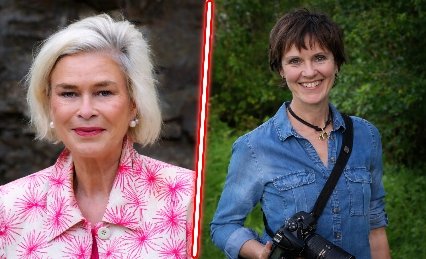
Sue Macpherson is a documentary and portrait photographer whose work stands out for its emotional honesty and grounded human focus. Rather than chasing flashy visuals or staged perfection, she built her reputation through thoughtful observation, cultural sensitivity, and a steady commitment to real stories.
What makes her story compelling is not celebrity culture or manufactured publicity. It is the fact that Sue Macpherson developed a meaningful body of work shaped by travel, lived experience, and long-term social engagement, especially through photography connected to Uganda and documentary work on blindness.
Quick Bio
| Field | Details |
|---|---|
| Name | Sue Macpherson |
| Profession | Documentary and portrait photographer |
| Base | United Kingdom |
| Birthplace | Dar-es-Salaam, Tanzania |
| Known For | Portraiture, social documentary, ethical storytelling |
| Notable Affiliation | Henry van Straubenzee Memorial Fund |
| Recognised Title | ARPS |
| Key Themes | Human stories, travel, remote communities, blindness documentary |
The details in this table are drawn from publicly available biographical profiles and Sue Macpherson’s own photography-related pages.
Early Life and Background
Sue Macpherson was born in Dar-es-Salaam, Tanzania, and spent her early years growing up in different parts of Africa. That background matters because it placed her close to varied cultures, landscapes, and social realities from an early age, which later became central to the way she saw and photographed the world.
Her childhood was not presented as glamorous, but it was clearly formative. One published profile recalls her memories of school life in Sierra Leone and explains that she was later sent to boarding school in Taunton, Somerset, which added structure and continuity to an otherwise mobile upbringing.
The Moment Photography Entered Her Life
A major turning point came when she was 14 and was given her first simple camera. Alongside that camera, she learned the basics of darkroom work, an experience that did more than teach technique; it gave her a practical understanding of how images are built, shaped, and made meaningful.
That early start appears to have stayed with her for life. Public biographical notes describe that moment as the beginning of a lasting love of photography, one that blended naturally with her interest in travel and remote destinations.
Sue Macpherson’s Photographic Identity
Sue Macpherson is best known for portraiture and social documentary photography. Those two areas are closely linked in her work because she does not treat portraits as surface images; she uses them to reveal character, place, vulnerability, and the wider human story around the subject.
Her style carries a quiet strength. It is positive in its empathy and respect, but it also faces difficult realities without softening them into decorative images. That balance is one reason her work feels human rather than commercial, serious rather than cold, and visually strong without becoming self-important.
A Career Shaped by Travel and Social Documentary
Travel has been an important thread in her career, but not in the shallow sense of simply collecting locations. Available biographies describe her as someone who enjoyed travelling to remote areas with her camera, and that habit seems to have shaped both the subjects she chose and the patience with which she approached them.
This matters because documentary photography depends on more than access. It requires time, trust, and the willingness to look beyond the obvious. In that sense, Sue Macpherson’s career appears to have been built not on speed or volume, but on attention, presence, and the ability to notice what other people miss.
Work in Uganda and Charitable Commitment
One of the clearest public examples of her socially engaged work is her dedicated involvement with the Henry van Straubenzee Memorial Fund. According to her own information page, this charity aims to improve the quality of education in rural areas of Uganda, and her photography has been connected to that purpose.
This gives Sue Macpherson’s biography an added dimension. She is not only a photographer documenting people and places; she is also someone whose images have supported a wider mission. That does not turn her into a campaign slogan. Instead, it shows how visual storytelling can serve real communities when it is handled with care and responsibility.
Documentary Work on Blindness
Another significant part of her career is a documentary project on blindness. Public references to her work identify Look as a photographic documentary project on blindness, and her social media profile also mentions blindness as a current project focus.
This theme says a great deal about her artistic direction. Blindness is not an easy subject, and it would be easy for a photographer to approach it in a sentimental or exploitative way. The available record of her work suggests the opposite: a serious documentary interest in how people live, adapt, and are seen, which fits the ethical approach associated with her broader portfolio.
Professional Recognition and ARPS Status
Sue Macpherson is publicly identified as ARPS, a distinction that signals recognised standing in photography circles. While many public audiences may not notice post-nominal letters, within photography they carry weight because they suggest discipline, quality, and a body of work that has met professional standards.
Recognition, however, is only part of the picture. What matters more is that her reputation seems to come from substance rather than hype. Even club and community reviews of her documentary presentations emphasise the range of topics she covers and the way she shows the world as it is.
What Makes Her Work Distinct
The strongest quality in Sue Macpherson’s work is authenticity. Many photographers can compose an attractive image, but far fewer can create photographs that feel trustworthy. Her portraits and documentary images are often associated with social reality, dignity, and an honest connection between photographer and subject.
Another distinctive feature is restraint. Her career does not appear to depend on loud personal branding, controversy, or overexposure. In a digital environment where attention often rewards exaggeration, that can look like a disadvantage. In reality, it may be part of her strength, because serious documentary work often gains value through depth rather than noise.
Legacy and Lasting Importance
The legacy of Sue Macpherson lies in the example she sets for documentary and portrait photography. Her life story shows how a photographer can remain human-centred, socially aware, and visually disciplined without becoming trapped by trends. She represents a model of creative work that values truth over spectacle.
That legacy also feels timely. At a moment when images are produced endlessly and consumed quickly, her work points back to slower, more thoughtful seeing. It suggests that meaningful photography is not simply about what is visible, but about what is understood, respected, and remembered.
Why Sue Macpherson Still Matters
Sue Macpherson matters because her career offers something rare: consistency of purpose. From early life in Africa to documentary and portrait work in later years, the same values appear again and again—curiosity, empathy, patience, and a refusal to reduce people to visual objects.
For readers, students, and photography enthusiasts, her biography is useful not because it is packed with celebrity trivia, but because it shows how an artist can build a serious practice through lived experience and ethical attention. That makes her story quietly powerful, and far more durable than the short-lived fame that often dominates online culture.
Conclusion
Sue Macpherson is best understood as a documentary and portrait photographer whose work has been shaped by Africa, travel, social awareness, and a long commitment to honest visual storytelling. Her public biography may be more modest than that of high-profile media figures, but the available record shows a career with real depth, clear purpose, and lasting value.
In positive terms, her story is inspiring because it proves that integrity still matters in creative work. In negative terms, it also exposes how shallow much modern image culture can be by comparison. That contrast is exactly why Sue Macpherson remains a name worth searching, reading about, and remembering.
Read this too: Jeremy Scheuch & Danielle Colby: The Powerful Story Behind Fame, Creativity, and a Bold Life Journey
FAQ
Who is Sue Macpherson?
Sue Macpherson is a UK-based documentary and portrait photographer known for social documentary work, human-centred imagery, and long-standing photographic projects connected to travel and charity work.
Where was Sue Macpherson born?
She was born in Dar-es-Salaam, Tanzania, and spent her early years in different parts of Africa.What type of photography is Sue Macpherson known for?
She is known mainly for portraiture and social documentary photography.
What is Sue Macpherson’s connection to Uganda?
Her work has been linked to the Henry van Straubenzee Memorial Fund, a charity focused on improving education in rural Uganda.
What is Look by Sue Macpherson?
Look is a photographic documentary project on blindness associated with her work.
Why is Sue Macpherson important in documentary photography?
She is important because her work reflects ethical storytelling, emotional honesty, and a deep respect for the people and communities she photographs.