Amanda Redman: A Powerful Story of Talent, Pain, and Enduring Success
From heartbreaking childhood trauma to beloved television success, this inspiring yet hard-earned journey shows how resilience can shape a lasting legacy without erasing the struggle behind it.

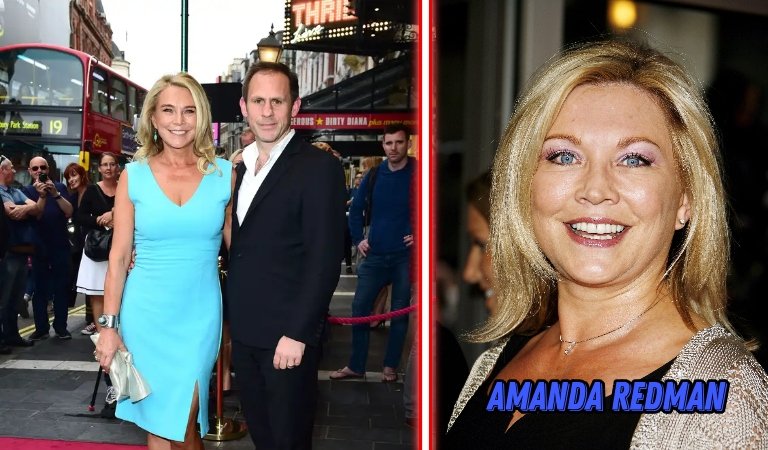
Table of Contents
ToggleIntroduction
Amanda Redman is one of those rare British actresses whose career feels both familiar and deeply respected. Over several decades, she has built a reputation for strong, intelligent performances across television, film, theatre, and radio, winning lasting admiration from audiences who know her best as Sandra Pullman in New Tricks, Alison Braithwaite in At Home with the Braithwaites, and Dr Lydia Fonseca in The Good Karma Hospital. Her appeal has never come from celebrity noise alone. It has come from craft, consistency, and a screen presence that feels grounded and real.
What makes her life story even more compelling is that success did not arrive without hardship. Long before she became a household name, she survived a devastating burn injury as a toddler and spent much of her earliest childhood in hospital. That experience did not define the whole of her life, but it shaped her strength, her public voice, and the honesty with which many people have come to admire her.
Quick Bio
| Field | Details |
|---|---|
| Full name | Amanda Jacqueline Redman |
| Date of birth | 12 August 1957 |
| Age | 68 |
| Birthplace | Brighton, Sussex, England |
| Nationality | British |
| Profession | Actress |
| Education | Bristol Old Vic Theatre School |
| Years active | 1975 to present |
| Best known for | New Tricks, At Home with the Braithwaites, The Good Karma Hospital |
| Child | One daughter, Emily |
| Major honour | MBE |
| Other public roles | Founder of Artists Theatre School, trustee of the Royal Theatrical Fund, Honorary Bencher of Middle Temple |
These quick facts are drawn from public biographical records, institutional profiles, and official registers.
Early Life and Family Background
Amanda Redman was born in Brighton, Sussex, on 12 August 1957. Her parents were Ronald Jack Redman and Joan Beryl Redman, and she grew up in a family environment she later described as loving, lively, and at times financially uncertain because her father was involved in buying and selling different things. That mix of warmth and instability seems to have given her both emotional depth and a strong desire for independence.
Her earliest years were marked by a traumatic accident when she was around 18 months old. Public interviews and charity material say she was badly scalded by a pan of boiling soup or hot liquid, suffered severe burns across much of her body, and remained in hospital until she was five. In later reflections, she described how deeply this affected her parents and how overprotected she felt when she finally returned home, which makes this period one of the most important foundations for understanding her character and her later resilience.
Education and Acting Foundation
Her move toward acting became formal when she trained at the Bristol Old Vic Theatre School, one of Britain’s best-known drama schools. That training gave her classical grounding as well as the discipline needed for a long career rather than a brief moment of fame. Middle Temple’s public profile also highlights her as a seriously trained and thrice BAFTA-nominated actor, reinforcing that her reputation rests on skill as much as popularity.
The school years mattered because they placed her in a demanding artistic tradition where stage work, character building, and technique came first. In her own remarks to the Children’s Burns Trust, she remembered that period as a time spent doing what she loved while surrounded by like-minded people. That memory helps explain why her performances often feel so rooted and unforced; they come from a strong theatre-based education rather than a purely screen-first route.
How Amanda Redman Started Her Career
Her career began on stage in the mid-1970s, with early theatre credits including Mother Goose in 1975 and several productions connected with Bristol Old Vic. Those early years were important because they gave her working experience before television fame arrived, allowing her to build range in live performance, timing, voice, and physical control.
Screen work followed not long after, with credits in projects such as Richard’s Things, Tales of the Unexpected, On the Line, and Pericles, Prince of Tyre. She also appeared in stage and television versions of classic and modern works through the 1980s. Rather than rising overnight, she built her career steadily, role by role, which is one reason her later breakthrough felt earned rather than manufactured.
Career Overview and Defining Roles
What separates her career from many long television careers is its breadth. She worked in drama, comedy, crime series, film, narration, and theatre, while remaining recognisable without becoming repetitive. That balance allowed her to stay active across changing eras of British television, moving from supporting roles to lead performances and then into mature, authoritative characters later in life.
Her screen identity became especially strong in the 2000s, when she reached a much wider audience. During this period, she moved from respected working actress to widely recognised star, thanks to a run of roles that connected with viewers across very different genres. Those performances shaped not just her popularity but also her long-term legacy in British entertainment.
Amanda Redman in At Home with the Braithwaites
One of her major breakthrough roles came with Alison Braithwaite in At Home with the Braithwaites, which ran from 2000 to 2003. The series gave her a central role with emotional range, wit, and family complexity, and it introduced her to a larger mainstream audience. It also helped establish her as an actress who could carry a series while keeping the character believable and human.
That success also brought awards attention. Public biographical records note that she received BAFTA TV Award recognition connected with this period of her work, which confirmed that her growing popularity was matched by critical respect. The series remains one of the key reasons many viewers still place her among the most memorable British television actresses of her generation.
Amanda Redman and New Tricks
If one role turned her into an enduring television institution, it was Sandra Pullman in New Tricks. She played the character from 2003 to 2013, and the role became one of the most recognisable parts of her career. As the smart and often frustrated senior officer guiding an unconventional team, she brought authority, humour, impatience, and warmth in equal measure.
The success of New Tricks mattered because it gave her a character that audiences lived with for years. Long-running roles can trap an actor, but in her case the part expanded her reputation. It showed she could lead a hugely popular crime drama without losing the emotional intelligence and sharpness that had marked her earlier work. Even now, Sandra Pullman remains one of the roles most closely associated with her name.
Later Work, Film Credits, and Continuing Relevance
Her later career proved that she was not defined by a single era. She appeared in The Good Karma Hospital as Dr Lydia Fonseca from 2017 to 2022, adding another admired television role to her record. She also remained visible through projects such as Tommy Cooper: Not Like That, Like This, The Trials of Jimmy Rose, and later screen appearances including Scoop and Murder Before Evensong.
Film has also been an important part of her professional story. Public profiles highlight roles in Sexy Beast, For Queen and Country, and Richard’s Things, all of which helped show different sides of her screen presence. The result is a body of work that feels varied rather than narrow, which is part of why her career continues to be discussed with respect.
Injury, Resilience, and Public Advocacy
Any honest biography must acknowledge the seriousness of the injury she survived as a child. Amanda Redman has spoken publicly about living with visible scars and about the procedures she underwent in early life. Yet what stands out in those interviews is not self-pity. It is the calm way she describes learning to live fully without hiding herself, and that attitude has made her an important public voice for burn awareness and visible difference.
That public role gives her legacy more depth than acting credits alone. She has worked with burn-related causes and has discussed how her experience helped her support charities close to her heart. Her story therefore carries both a negative truth and a positive one: she endured severe early trauma, but she did not allow it to reduce her life to tragedy. Instead, she turned it into one part of a fuller, richer identity.
Work Beyond Acting, Honours, and Leadership
Her contribution to the arts is not limited to performing. Middle Temple states that she has run the Artists Theatre School for adult actors since 1998, showing a long-term commitment to training and mentoring. Official company records also show her as an active director of Artists Theatre School Ltd and ATS Productions Ltd, which confirms that her professional life includes leadership and business responsibility as well as acting.
Recognition for that wider contribution has followed. She was appointed MBE in 2012 for services to drama and charity, became an Honorary Bencher of Middle Temple in 2024, and was appointed a trustee of the Royal Theatrical Fund in the same year. These honours matter because they place her not only among successful performers but also among people trusted to contribute to the cultural and charitable life of the profession.
Personal Life and Lasting Legacy
In her personal life, public sources note that she married actor Robert Glenister in 1984 and that they had one daughter, Emily, before divorcing in 1992. She has also spoken movingly about her parents and the losses she experienced within her family, including the deaths of her mother, father, and brother. Those reflections add a quieter emotional dimension to the public image many viewers know from screen roles.
Her legacy rests on several achievements at once. She is remembered as a respected British actress, a familiar television lead, a survivor who spoke openly about visible scars, and a teacher who invested in other performers. That combination gives her career unusual weight. She is not simply known for staying famous for a long time. She is known for doing meaningful work with honesty, endurance, and professional credibility.
Conclusion
Amanda Redman’s life story is powerful because it holds two truths at the same time. It is a story of pain, limitation, and early trauma, but it is also a story of discipline, talent, and remarkable staying power. She did not become memorable because the public pitied her. She became memorable because she kept delivering excellent work while carrying her history with dignity.
For readers interested in British television, stage acting, or the human side of resilience, her biography remains deeply compelling. She stands as proof that a lasting career is not built only on big roles. It is built on craft, character, and the ability to keep growing while the world keeps changing. That is why her name still matters, and why her work continues to hold attention across generations.
Read this too: Damian Schnabel: The Quiet Brand Leader Behind a Strong Career, Not a Fame-Driven Public Life
FAQ
What is Amanda Redman best known for?
She is best known for playing Sandra Pullman in New Tricks, Alison Braithwaite in At Home with the Braithwaites, and Dr Lydia Fonseca in The Good Karma Hospital.
When and where was Amanda Redman born?
She was born on 12 August 1957 in Brighton, Sussex, England.
What happened to Amanda Redman as a child?
She suffered severe burns as a toddler after an accident involving boiling soup or hot liquid and spent much of her early childhood in hospital.
Where did Amanda Redman study acting?
She trained at the Bristol Old Vic Theatre School.
Does Amanda Redman work outside acting?
Yes. She has run the Artists Theatre School for adult actors and is also listed as a director of Artists Theatre School Ltd and ATS Productions Ltd.
What honours has Amanda Redman received?
She was appointed MBE in 2012, became an Honorary Bencher of Middle Temple in 2024, and was appointed a trustee of the Royal Theatrical Fund in 2024.