
Wayne Rooney’s Biggest Records You Probably Didn’t Know, Wayne Rooney’s Career Journey That Changed English Football
A powerful biography of a player whose brilliance thrilled fans, whose mistakes drew criticism, and whose legacy still stands among the biggest in modern football.

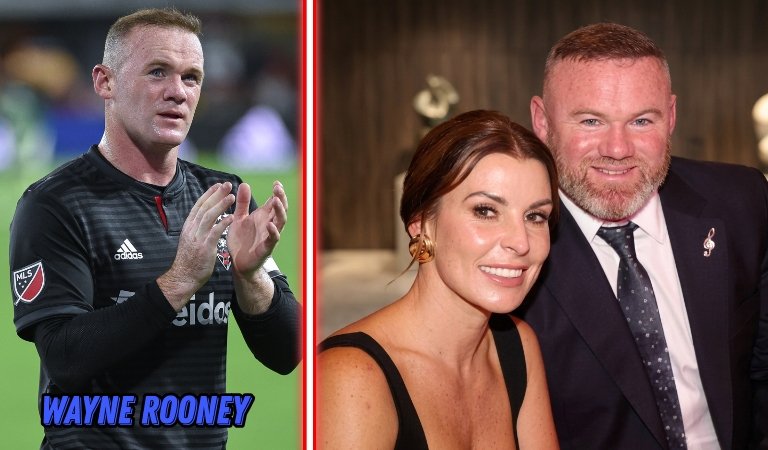
Introduction
Wayne Rooney is one of the most compelling figures in English football history. He arrived as a fearless teenager from Liverpool, exploded onto the scene at Everton, and then grew into a record-breaking star at Manchester United. His career carried everything that makes a sporting life memorable: early genius, enormous pressure, elite trophies, public scrutiny, reinvention, and a lasting place in football culture.
He was not simply a goalscorer. He was a complete attacker who could finish, create, press, pass, and sacrifice for the team. That rare mix made him effective across different systems and positions, whether as a striker, second forward, wide attacker, or deeper playmaker. Even years after retirement, his name remains tied to Premier League greatness, England records, and Manchester United history.
Quick Bio
| Field | Details |
|---|---|
| Full name | Wayne Mark Rooney |
| Date of birth | 24 October 1985 |
| Age | 40 |
| Birthplace | Croxteth, Liverpool, England |
| Nationality | English |
| Height | 1.76 m |
| Profession | Former footballer, former manager, pundit |
| Spouse | Coleen Rooney |
| Children | Kai, Klay, Kit, and Cass |
| Youth club | Everton |
| Major club | Manchester United |
| England record | 120 caps, 53 goals |
These quick facts are based on Rooney’s official profile, England records, and official club and league sources.
Early Life and the First Signs of Greatness
Rooney was born in Croxteth, Liverpool, and grew up in a working-class home with his parents and two younger brothers. He was raised in a football-loving environment, supported Everton as a boy, and attended local schools before his talent began to set him apart from other young players. His background shaped the directness, fight, and edge that later became central to his identity on the pitch.
From a very young age, he looked different. Everton brought him into their youth system at nine, and his rise through the age groups was rapid. He scored heavily in junior football and built a reputation for power, confidence, and mature decision-making well before he reached the senior level. By the time he was in his mid-teens, he was already seen as one of England’s most exciting young prospects.
The Everton Breakthrough
His senior debut for Everton came in 2002, when he was only 16. Not long after, he announced himself to the wider football world with that unforgettable goal against Arsenal, a strike that ended the champions’ long unbeaten run and instantly turned him into a national headline. It was the moment many people realized that this was not just another talented academy player.
What made the breakthrough even more impressive was the way he played. He did not look scared, cautious, or overawed. He looked ready. He carried the aggression and imagination of a street footballer, but he also had the strength and timing of someone much older. That blend of rawness and maturity is why his rise felt so explosive.
Manchester United and the Years of Greatness
In 2004, Manchester United signed Rooney, and the move changed the direction of his life. He joined one of the biggest clubs in world football and immediately justified the attention by scoring a hat-trick on his Champions League debut for the club. Few young players begin at that level, and even fewer sustain it under the pressure that came with the shirt, the transfer fee, and the expectations of Sir Alex Ferguson.
Over time, he grew from wonderkid into leader. He could play through the middle, drop deeper to link play, or work wide when the team needed balance. That willingness to adapt sometimes reduced his personal goal totals, but it increased his value to the team. He was never only playing for his own numbers; he was often doing the hard work that allowed the system to function.
Records, Goals, and Trophies
His Manchester United career became legendary. He finished as the club’s all-time leading scorer with 253 goals in all competitions, a mark that placed him above some of the greatest names in club history. At Premier League level, he recorded 208 goals and 103 assists, a combination that shows just how rounded his game was.
The trophy list was equally impressive. He won five Premier League titles and added major domestic and European honours, including the Champions League, FA Cup, League Cup, Europa League, and FIFA Club World Cup. That collection confirms what the eye already suggested: this was not only a talented footballer, but a player who shaped winning teams for years.
England Career, Pressure, and National Expectation
Rooney made his England debut in 2003 and quickly became the youngest goalscorer in the team’s history at the time. His performances at Euro 2004 were especially important, because they revealed him as a player who could shine on a major tournament stage. For a short period, he looked like the face of England’s football future, and the country placed huge hope on his shoulders.
The full England career was long, productive, and sometimes emotionally complex. He earned 120 caps and scored 53 goals, numbers that put him among the most important players the national side has produced. He captained England, broke the long-standing national scoring record in 2015, and remained a central figure even when tournament results did not always match the talent of the squad.
His international story also carried frustration. Injuries, suspensions, and the weight of expectation often affected the biggest moments. Yet that does not erase the scale of his contribution. He gave England goals, personality, intensity, and years of service, and he remains the country’s most-capped outfield player.
Playing Style and Why He Was Different
Rooney’s greatness was built on more than finishing. He could strike from distance, play clever through balls, press defenders, attack crosses, and create chances out of crowded situations. Many forwards score goals; far fewer combine scoring with creativity and relentless work rate at elite level. That is a major reason he stands out even in an era full of famous attackers.
He was also tactically flexible. Managers could use him as a classic forward, a second striker, or an attacking midfielder, and he usually found a way to influence the game. That flexibility sometimes made him underrated in certain seasons, because he often sacrificed personal spotlight for team structure. In modern terms, he was both a finisher and a connector, which is why his numbers in goals and assists remain so rare.
Family Life, Public Image, and Life Beyond the Pitch
Away from football, Rooney’s life has remained closely followed. He is married to Coleen Rooney, and together they have four sons. His official profile presents family as a visible part of his identity, and over the years he has balanced the image of elite athlete with that of husband, father, and public figure under constant attention.
His post-playing life has included more than coaching. The Wayne Rooney Foundation supports charitable causes, showing that his public role is not limited to football alone. Like many major sports figures, he has also been part of the commercial side of the game through endorsements and media visibility, but his charitable work gives a more grounded picture of the person beyond the headlines.
Management and the Recent Chapter
After retiring as a player in 2021, he moved into management with Derby County, D.C. United, Birmingham City, and Plymouth Argyle. Those roles showed ambition and resilience, but they also proved how difficult management can be, especially when a famous former player is expected to succeed quickly in unstable situations.
Recent reporting places him in football media while still open to coaching opportunities. That stage of his career feels different from his playing days: less explosive, more reflective, and still connected to the sport that made him famous. Whether he returns to the dugout for the long term or builds a media career, he remains a relevant football voice.
Legacy and Why His Story Still Matters
Rooney’s legacy is powerful because it includes both brilliance and struggle. He was a teenage phenomenon who actually fulfilled the promise, and that is rare. He became Manchester United’s top scorer, delivered elite Premier League numbers, and gave England more than a decade of commitment. Those achievements place him securely among the most significant British players of the modern era.
At the same time, his story is human enough to feel real. It includes criticism, injuries, pressure, difficult public moments, and reinvention after retirement. That mix is part of why people still discuss him so often. He was never a distant, polished machine. He was intense, emotional, gifted, flawed, and unforgettable.
Conclusion
Wayne Rooney built a career that was bigger than numbers, even though the numbers alone are extraordinary. From Croxteth to Everton, from Everton to Manchester United, and from England star to manager and pundit, his journey reflects both the rewards and the cost of elite football life. He gave supporters unforgettable goals, huge moments, and a version of commitment that was obvious in every phase of his career.
His story remains important because it speaks to talent, pressure, adaptation, and legacy all at once. He did not have a perfect career, but he had a significant one, and that matters more. The highs were huge, the setbacks were real, and the overall body of work still places him among the defining football figures of his generation.
FAQ
Frequently Asked Questions
What is Wayne Rooney’s full name?
His full name is Wayne Mark Rooney.
When was Wayne Rooney born?
He was born on 24 October 1985 in Croxteth, Liverpool, England.
How many goals did Wayne Rooney score for Manchester United?
He scored 253 goals in all competitions for Manchester United, making him the club’s all-time leading scorer.
How many goals did Wayne Rooney score for England?
He scored 53 goals in 120 appearances for England.
What made Wayne Rooney such a special player?
He combined goalscoring, creativity, work rate, physical strength, and tactical flexibility at a very high level. His mix of 208 Premier League goals and 103 assists shows how complete his game was.
What is Wayne Rooney doing now?
Recent reporting places him in media and punditry, while also showing that he remains open to future coaching opportunities.